How Many Shots Do You Take?
I was speaking to my photography friend (and high school friend and University colleague), Jerry, a few months ago, about how many photos we take when on any given photo shoot. Jerry waxed on about how he has divested himself of the copious pieces of photo equipment he had accumulated throughout his career, only to outfit himself with two as his “daily shooters”—an iPhone and a DJI Osmo for video.
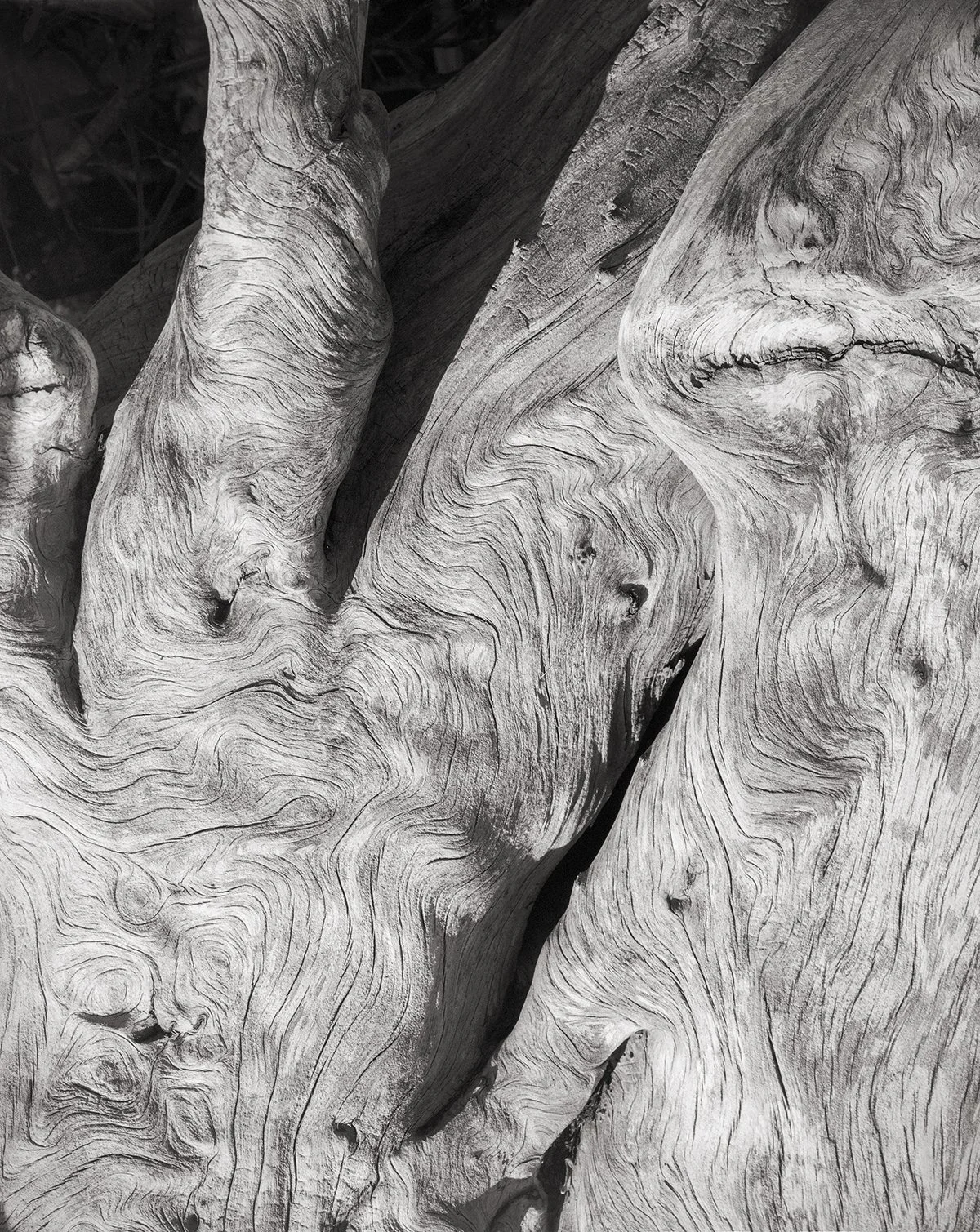
The Heart, Ontario 1978
About a month ago, a few of us had the pleasure of meeting with Deborah Samuel (Photo Artist/Commercial Shooter). In conversation, she held up an iPhone and said, this is what she uses today. She has had some resistance to showing up for a shoot, iPhone in hand; people noticed she wasn’t laden down with 500 pounds of equipment, but the shots spoke for themselves.
My buddy, the late Oliver Steins, worked to convert me to the Fujifilm digital platform, and I abandoned my Canon (once Canon decided to make its former lens platform redundant). At the time, I only needed two lenses (at most), the body, and some corresponding filters. I now have five lenses and use two of them. I love this camera, an X-series rangefinder-like camera. It is built like a tank, and its diminutive size makes it ideal for travel.
Where am I going with all of this? A century ago (and more), some photographers coated glass plates in the field and processed them on the spot – in darkroom tents. Can you imagine just how many plates were ruined by stray light—or worse—smashed before or after exposure, never to be printed? My mentor, Edward Weston, made only about 1,200 images throughout his colourful career.
Progress was made, and things changed. Jerry just returned from Europe carrying only his iPhone. Deborah just had a show of floral images she shot unabashedly with a flatbed scanner. We have seen these shots—incredible. Jerry has a very formal style with a beautiful control of light and colour, while Deborah’s images leave you breathless. The technician in me wants to know how these are shot with such incredible clarity, but each flower arrests you.
I have noticed, of late, the number of shots I make during a shoot. Jerry says he shoots dozens—he always has. I, growing up with a 4X5 and a medium-format Hasselblad, shoot sparingly, noting the cost of each sheet/roll exposed and the time and cost spent processing film. It slowed my pace, and I coincidentally made fewer shots to derive that one special shot. For insurance, I finally broke down and purchased a Polaroid back for both cameras, but used them sparingly (again, costs).
I am pleased with the equipment I have, but I do miss the darkroom and using my Wista 4X5. Using it makes for a contemplative process. I am equally amazed by the results Deborah and Jerry achieve with their chosen equipment, evidence that it’s not the camera—it’s the person using it. I believe that Jerry, Deborah, and I have been shooting for over 50 years, but it is the shooting that matters. Like doctors, it’s a ‘practice’.
Find meaning in the memories you document. Use your interactions with your audience to guide how they connect with each photo. But most of all, use the medium to create a retrospective of your moments. Inspire yourself, before others, to continue photographing.